The Lot attracts with some of the lowest square meter prices in metropolitan France and a living environment that appeals to a loyal tourist clientele. Successfully investing in real estate in the Lot requires looking beyond these surface attractions to examine the reality of the rental market, the energy constraints of older buildings, and the dependence on seasonal tourism that affects profitability.
Rental vacancy in the Lot: a risk to analyze community by community
Thinking on a departmental scale gives a misleading picture. The differences in rental demand between urban centers like Cahors or Figeac and rural municipalities are considerable.
The LOVAC 2024 data, published by the Territorial Observatory and concerning the situation as of January 1, 2025, lists privately vacant housing for at least two years, community by community and by intercommunal area. For an investor, this is a direct indicator: a high long-term vacancy rate signals a market where re-letting will take time, sometimes several months.
The cross-referencing of tax and land files that feeds into LOVAC is accessible via the public platform Zéro Logement Vacant. By consulting it before a purchase, one can identify town centers where vacant older properties can be acquired at low prices for renovation, but also those where vacancy reflects a lasting demographic decline. Listings on lot-immobilier.fr allow for cross-referencing this data with the available supply on the ground.
Dependence on seasonal tourism and rental profitability in the Lot
Tourism plays a significant role in the economy of the Lot. The Dordogne valley, Rocamadour, and the Padirac chasm attract a summer flow that makes seasonal rentals appealing on paper.
The profitability of a furnished tourist rental in the Lot depends on a four-month season. The rest of the year, occupancy rates drop sharply in municipalities without an employment pool or training center.
Any project relying on seasonal rental should be tested with a scenario of reduced tourist attendance. If profitability only holds with a maximum summer occupancy rate, the setup becomes fragile. In contrast, a property rented year-round to a working professional or a student in a city like Cahors or Figeac generates more regular income, even if the gross yield appears lower.
Energy sieves and DPE calendar: constraints on older buildings in the Lot
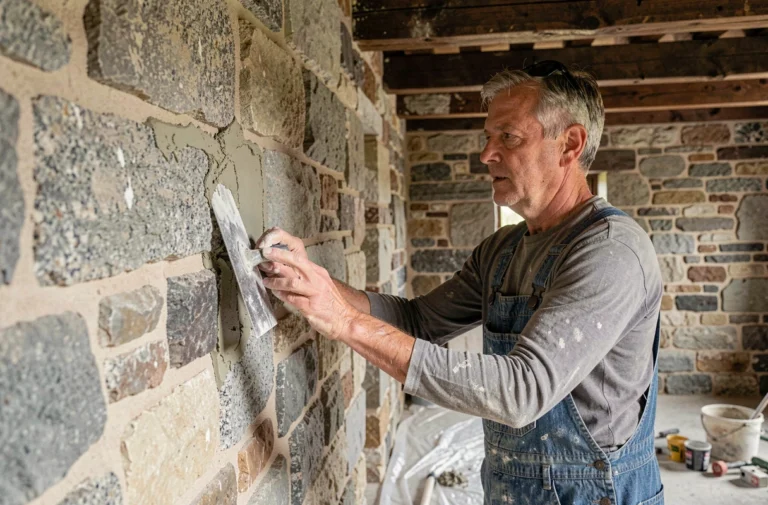
The real estate stock in the Lot includes a high proportion of old stone houses. Many are classified F or G in the energy performance diagnosis, placing them at the forefront of the rental ban calendar.
- Properties classified G have been banned from rental since January 2025. Acquiring a property in this category requires financing energy renovation work before any marketing.
- Properties classified F will be subject to the same ban starting in 2028. An investor buying a property classified F today must factor the cost of renovation into their financing plan.
- The cost of renovating a Lot stone house can absorb a significant portion of the expected capital gain, especially when external insulation is impossible for heritage or architectural reasons.

Rental investment in the Lot: choosing between Cahors, Figeac, and rural areas
Cahors concentrates part of the administrative services and training offerings in the department. The rental demand there remains the most consistent in the department. Square meter prices, although slightly rising in recent years, remain accessible compared to those in regional metropolises like Toulouse or Montpellier.
Figeac relies on an industrial fabric, particularly in the aeronautics sector, which supports rental demand from employees and apprentices. Field reports vary on price trends: some agents report moderate increases, while others note stagnation.
Rural areas (Martel, Gramat, Saint-Céré) show very low acquisition prices. The trade-off: more frequent rental vacancies and low liquidity upon resale. A rural property in the Lot is difficult to resell without a discount if the market turns.
Selection criteria for a rental property in the Lot
- Check the DPE classification before any purchase offer and estimate the compliance renovation costs with a local craftsman, not with an online estimate.
- Consult the LOVAC data for the targeted municipality to measure the actual long-term vacancy, not the vacancy displayed by listing portals.
- Test profitability with a degraded scenario: reduced occupancy rate, rent ten to fifteen percent lower than market price, provision for annual renovation costs.
- Prefer a property close to a stable employer (administration, industry, health) rather than one solely dependent on tourist flow.
The Lot remains a department where real estate investment can work, provided one distinguishes between low prices and good deals. A property that is cheap but energy-intensive, poorly located, and dependent on tourism accumulates three risks that the low entry price does not sufficiently offset.