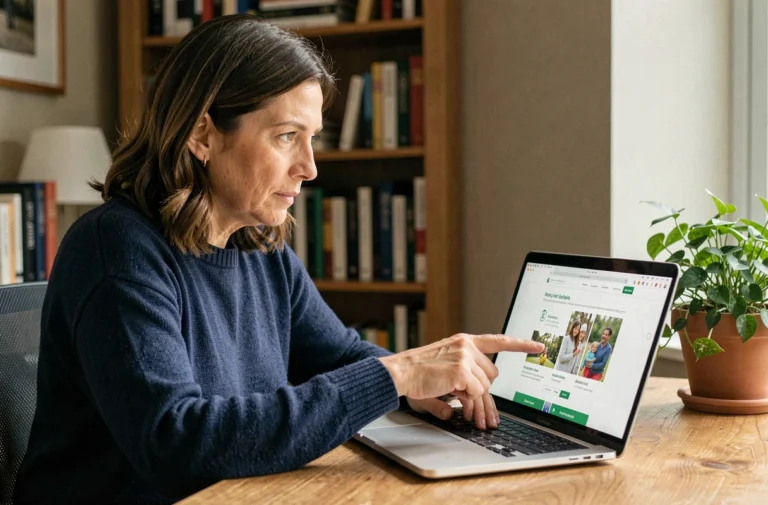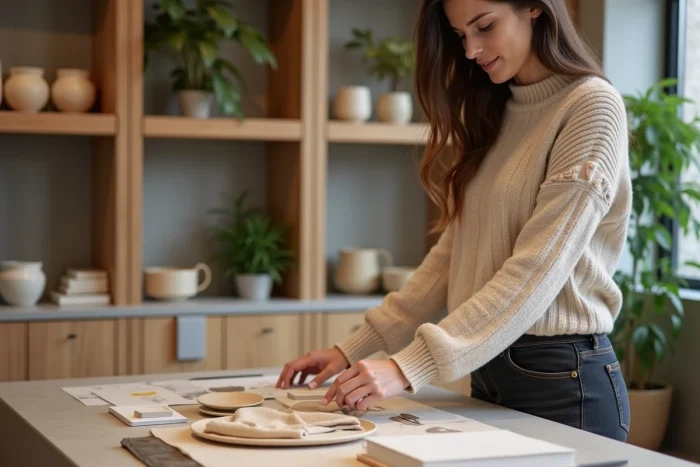
In 2026, some materials considered outdated last year are now among the most sought after by industry professionals. Certain digital innovations, once presented as gadgets just a few months ago, are now essential tools for designing or personalizing a space.
With each new year, publishing houses and design studios break free from forecasts, bringing unexpected collections to the forefront that shake up the trend agenda. Recent figures show this: tastes are evolving at great speed, driven by new needs, renewed ecological demands, and influences from elsewhere.
What are the 7 essential decor trends to follow in 2026?
The home and habitat sector is accelerating the creative tempo, driven by hybrid uses and an unprecedented appetite for novelty. The decor trends emerging in 2026 reflect this dynamic, balancing bold proposals and concrete responses to energy challenges.
Here are the key themes defining the season:
- Mastered maximalism: a place for abundance without excess. Layering of materials, bold patterns, local craftsmanship, each space finds its balance and reflects a story.
- Color drenching: walls, ceilings, and woodwork are immersed in a deep, enveloping color. Here, minimalism fades in favor of intense and warm atmospheres.
- Advanced personalization: the thirst for custom decoration is growing, whether it arises from the artisan’s touch or digital tools. Furniture, coverings, and lighting now adapt to every lifestyle.
- Return of craftsmanship and cottagecore: raw materials, imperfect finishes, rural spirit, and traditional know-how are showcased as guarantees of authenticity.
- Relaxation spaces and spa-like bathrooms: living spaces incorporate bubbles dedicated to well-being, bathed in light, water, and natural materials.
- Home sports: the organization of adaptable spaces for physical activity accompanies the sustainable evolution of our daily rhythms.
- Resilient housing and energy performance: renovation, sustainable heating, autonomy, priorities are changing to anticipate the climate and meet new energy performance requirements.
To keep up with the evolution of these trends, news on Ma Maison Info offers a monthly analysis of the movements transforming our interiors, from the living room to the bathroom, with a focus on responsible innovation.
Spotlight on the standout new items of January: materials, colors, and key objects
January sets the tone and unveils new items that shift the lines of decor. Raw materials shine, whether raw or reworked, promoting sustainability and originality. Washed linen takes its place in household textiles, while handcrafted ceramics energize tableware. Solid wood, travertine, and virgin wool find their way into furniture and everyday objects.
On surfaces, color is displayed unabashedly. The momentum of color drenching transforms walls, ceilings, and sometimes even the floor into a monochromatic, immersive universe where warmth prevails. The shades draw from nature: moss green, deep blue, burnt clay, an expanded and organic palette for this season.
In terms of objects, shapes become organic, lines curve. Sculptural coffee tables, asymmetrical vases, textured ceramic lamps are noticeable. Upcycling is becoming a standard practice: a stool transformed into a side table, an old sheet turned into a curtain. Now, creativity and sustainability go hand in hand in contemporary living.
This new breath in the home and habitat sector prioritizes authenticity and inspiration, with each object and material interacting with daily uses to create truly livable interiors.
The influence of digital: how new technologies are transforming interior decoration
The home and habitat sector is being profoundly reinvented, driven by the rise of smart technologies. Interior design professionals now rely on digital tools to shape spaces that are tailored, customized, and aligned with new lifestyles.
3D modeling transforms the way space is conceived: every detail can be visualized and adjusted even before the first brushstroke. Platforms for sustainable architecture incorporate bioclimatic design, encouraging responsible choices and refined management of light, heat, and flows.
Current technologies provide real levers for rethinking housing:
- Bioclimatic design: connected tools adapt the indoor atmosphere according to the time of day and individual needs.
- Home advice: artificial intelligence offers improvement scenarios, analyzes routines, and supports energy renovation.
- Home automation: roller shutters, lighting, heating, everything can be controlled remotely via smartphone or tablet for a responsive, economical, and comfortable home.
This technological movement has been asserting itself for several years, at the intersection of comfort, energy performance, and personalization. Our interiors are evolving: more flexible, more sustainable, they are becoming experimental grounds where creativity and technology combine daily.
The home of tomorrow no longer just meets our needs: it anticipates, adapts, surprises, and sometimes inspires a complete reinvention.